








Trick-or-treating happens at the worst possible time for foot traffic: after sunset, on residential streets, with excited children who are not thinking about cars. Research on Halloween crash risk does not just confirm the danger; it points to specific, low-cost habits that target the exact conditions that make the evening risky. The guidance below follows the evidence rather than folklore.
The risk is real and measurable
A peer-reviewed analysis published in JAMA Pediatrics and hosted on PubMed Central examined 42 years of national traffic data and found the relative risk of a pedestrian fatality was 43 percent higher on Halloween than on control evenings, with children aged 4 to 8 facing a tenfold increase. That is the backdrop for every safety tip: the danger is concentrated after dark and among young children on foot near roads. Because the pattern repeats year after year, it is something families can plan around rather than simply hope to avoid.
Supervise the youngest walkers
The single clearest implication of the data is that small children should not navigate traffic alone on this night. The American Academy of Pediatrics, through HealthyChildren, advises always going with young children on their neighborhood rounds and notes that child pedestrian injuries are more likely on Halloween than on any other night. An adult at the curb makes the crossing decisions that a four-year-old cannot, and keeps an excited group from spilling into the street between parked cars.
Make everyone easy to see
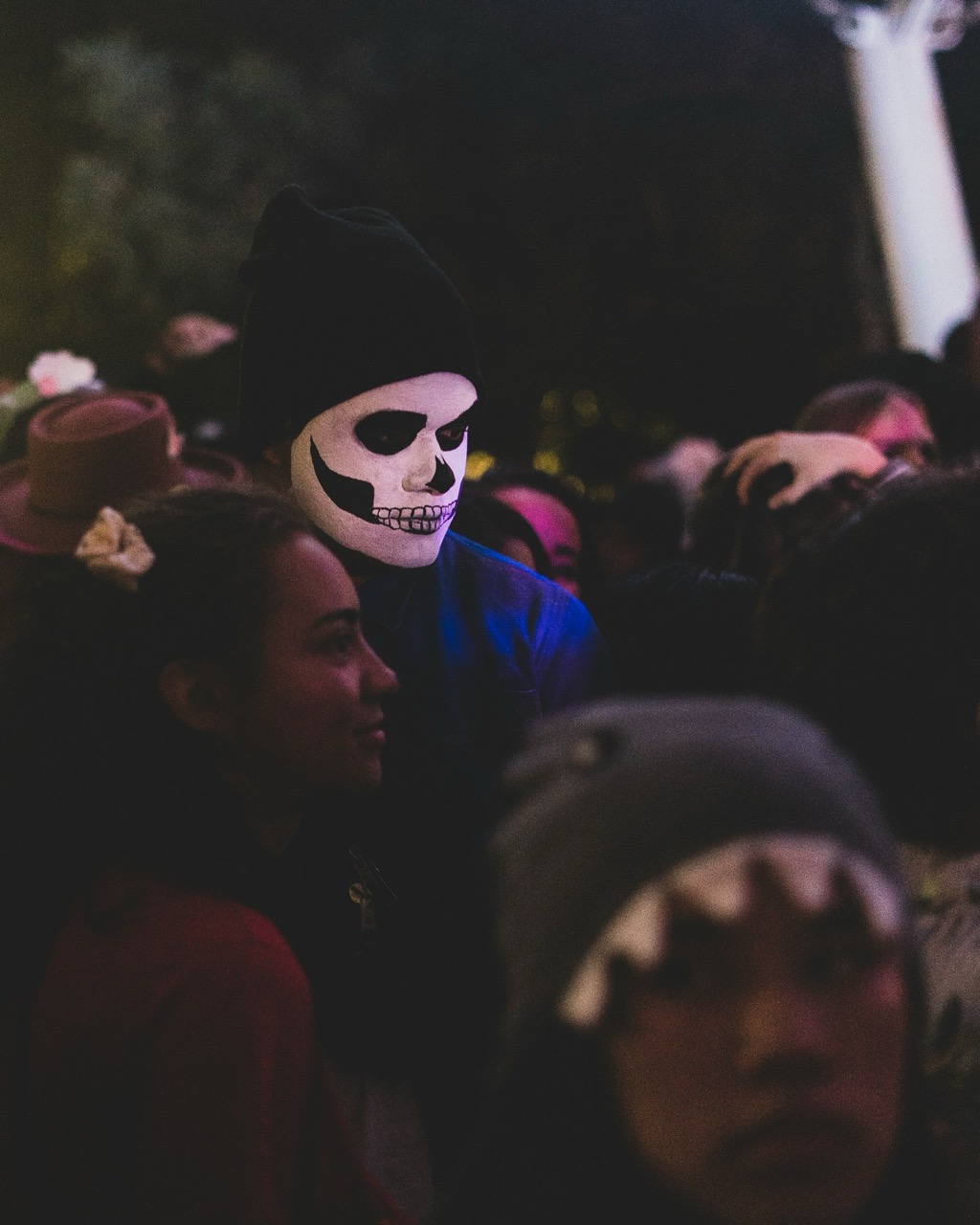
Dark costumes on dark streets are a visibility problem, and visibility is something you can engineer. The AAP recommends planning costumes that are bright and reflective, adding reflective tape or stickers to costumes and treat bags, and using glow sticks or a flashlight. It also suggests choosing non-toxic makeup or a decorative hat over a mask that blocks a child’s vision, since seeing clearly matters as much as being seen. If makeup is used, the AAP advises testing it ahead of time on a small patch of skin to check for a reaction before it goes on the face.
Cross like the data wants you to
Most of the risk lives at the crossing. Practical habits that match the hazard include walking rather than running across streets, crossing at corners and marked crosswalks instead of mid-block, looking for cars that are turning or backing out of driveways, and never darting out from between parked cars. Sticking to sidewalks where they exist, and facing traffic while walking on the edge of the road where they do not, keeps children out of the path of the residential-street driving the research flags as most dangerous. Carrying a light does double duty, helping a child see the curb and helping a driver see the child.
Plan the route around visibility
Where and when a group walks changes the exposure. Sticking to familiar, well-lit streets with sidewalks keeps children off the roadway that the research links to the greatest risk, and it lets an accompanying adult see approaching cars in time. Grouping houses so the walk crosses roads as few times as possible cuts the number of moments when a child steps into traffic at all. The evidence concentrates the danger in the crossing after dark, so a route with fewer, better-lit crossings is doing real safety work before anyone leaves the driveway.
Build safety into the costume, not around it
Look for costumes and accessories labeled flame resistant, keep hems short enough to prevent tripping, and skip decorative contact lenses unless they are fitted and prescribed by an eye-care professional, all points the AAP raises in its Halloween guidance. The theme of the evidence is consistency: the same conditions cause the same crashes every year, so the same simple countermeasures work every year. Supervision for the young, light and reflection for everyone, and disciplined crossings are not fussy extras. They are aimed squarely at the after-dark, residential, child-heavy setting that the research identifies as the real hazard of trick-or-treat night.