






Whether you can freely design, sell, or perform a storybook character depends less on how old the story feels and more on a specific set of dates in US copyright law. Cinderella and Alice are fair game for anyone; a particular studio’s animated version of them may not be. Sorting the free from the protected comes down to two rules about how long copyright lasts.
How long protection lasts
For works made today, the term is long. Under the United States Code, copyright in a work created on or after January 1, 1978 “endures for a term consisting of the life of the author and 70 years after the author’s death,” and for anonymous works, pseudonymous works, or works made for hire it runs “95 years from the year of its first publication, or a term of 120 years from the year of its creation, whichever expires first,” as stated in the statute on copyright duration. When that term ends, the work enters the public domain, and, as the US Copyright Office puts it, “anyone can use it without permission from the author,” in its explainer on the lifecycle of copyright.
The Copyright Office illustrates the point with a familiar title: L. Frank Baum’s The Wonderful Wizard of Oz “entered the public domain in 1956.” Old, widely published works eventually age out of protection, which is why the underlying texts of most classic fairy tales and Victorian novels are free to use.
What is almost certainly free
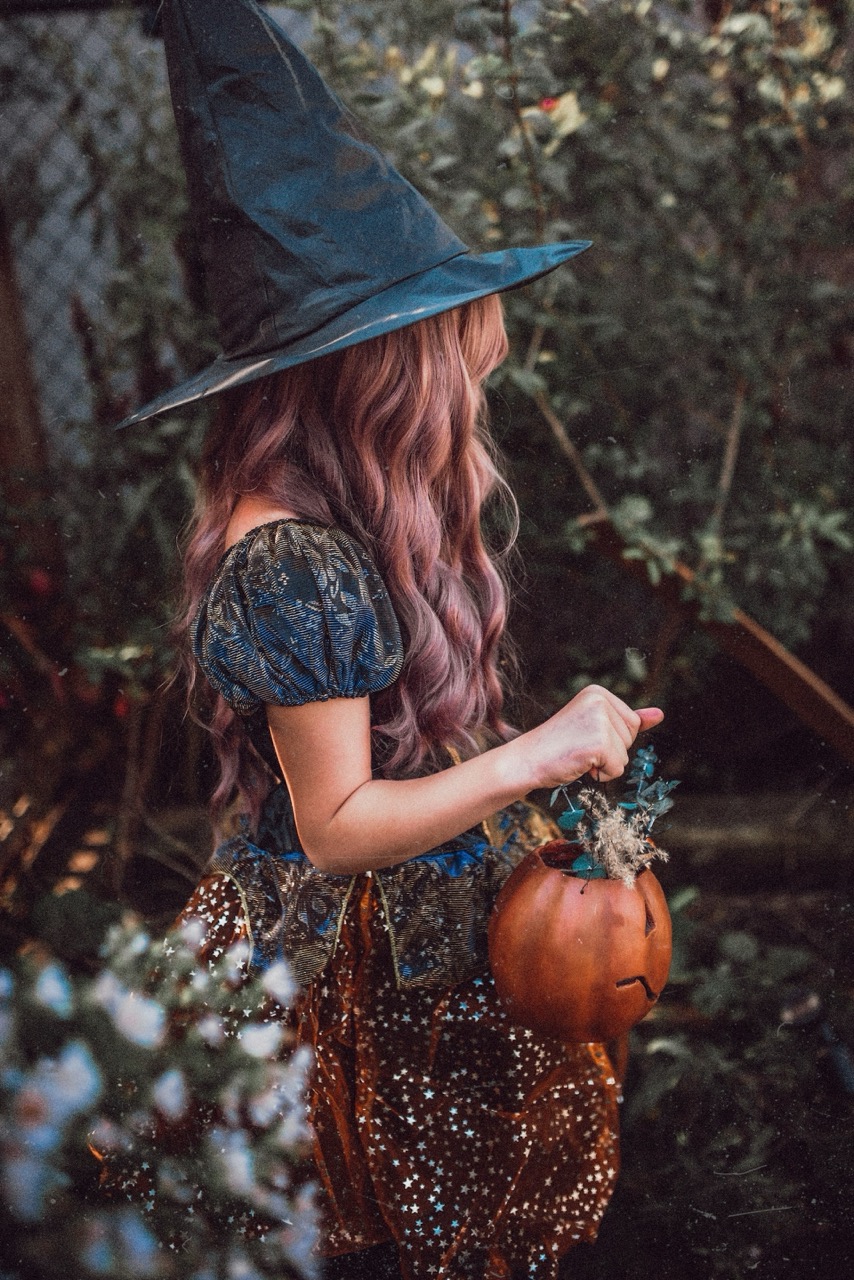
Characters that originate in genuinely old, published works are generally in the public domain in the United States. That includes the fairy-tale canon collected by Charles Perrault in the seventeenth century and the Brothers Grimm in the early nineteenth, so Cinderella, Snow White, Sleeping Beauty, Little Red Riding Hood, and Hansel and Gretel are all free as characters. It includes Lewis Carroll’s Alice, Baum’s Dorothy and the land of Oz, J.M. Barrie’s Peter Pan as first published, and Sir Arthur Conan Doyle’s Sherlock Holmes in his original stories. You can dress as these characters, make and sell costumes of them, and stage them without a license.
What is still protected
The catch is that a public-domain character can pick up new, protected layers. The original text may be free while a specific later depiction is not. A film studio’s particular costume design, color scheme, song, or added personality trait can be protected by copyright even when the source character is public domain. Disney’s specific animated look for a princess, for example, is a modern creative work with its own long copyright term under the rules above, even though Cinderella herself is centuries old and free.
Trademark is a separate hurdle. Names, logos, and specific brand-associated designs can be protected as trademarks independently of copyright, and trademark protection does not simply expire on a schedule the way copyright does. A character can therefore be free to portray in a general sense while a company’s particular branded version and name styling remain off-limits for commercial use.
How to stay on safe ground
A few practical guidelines follow from the law:
- Base your costume on the original public-domain source, such as the classic fairy tale or the first-published novel, rather than a modern movie’s specific design.
- Assume that a recent film or television version’s exact costume, palette, and added details may still be protected, and design your own interpretation instead of copying it.
- Remember that personal, non-commercial wear is very different from manufacturing and selling; the more you commercialize, the more carefully you should stick to clearly public-domain material.
- When money is involved and you are unsure, consult a qualified intellectual-property attorney rather than guessing.
The reliable move is to build from the old, freely available story and create your own take on the character’s look. The tale is yours to use; someone else’s modern rendering of it may not be.