






Peter Pan and the History of the Stage Costume
Peter Pan began as a stage role, was played for decades by women, and is now in the US public domain. Here is the costume history behind the boy who would not grow up.
Peter Pan began as a stage role, was played for decades by women, and is now in the US public domain. Here is the costume history behind the boy who would not grow up.
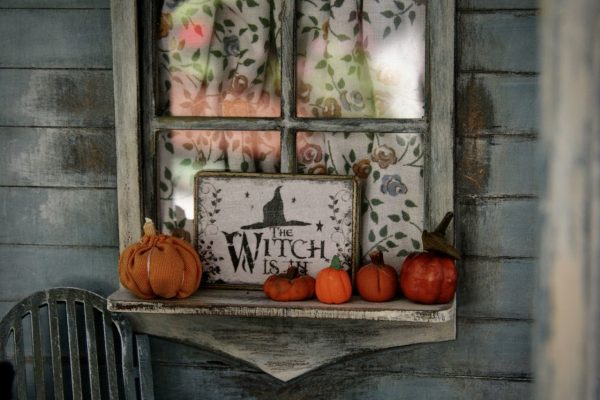
A teal pumpkin on the doorstep signals non-food treats for trick-or-treaters with food allergies. Here is what the Teal Pumpkin Project is and why it exists.
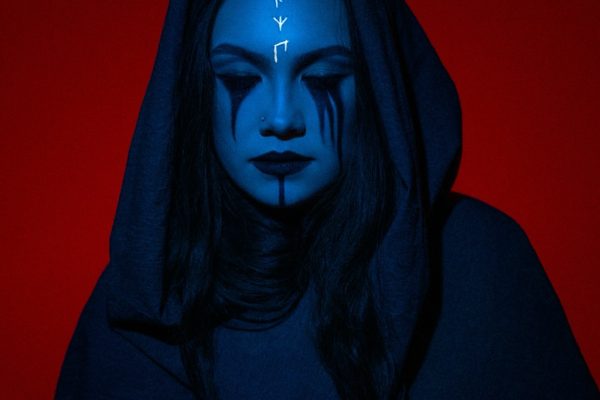
What the science of laundering and the rules around disinfectants suggest about keeping shared and rented costumes clean between wearers.
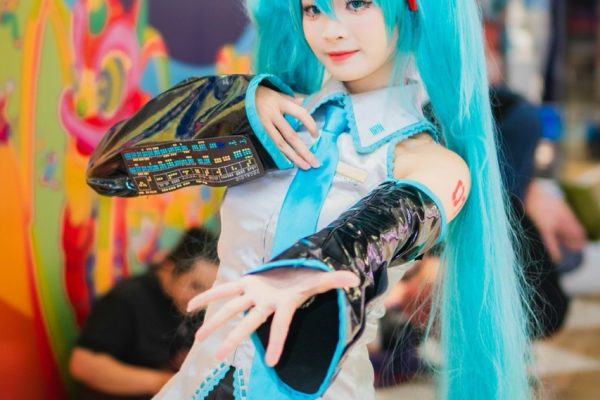
A convention center is, in the language of federal law, a place of public accommodation. Here is what the Americans with Disabilities Act asks of the venues and organizers that host cons.

A full-face mask can narrow a child’s field of view right when they are crossing streets at dusk. Here is what the evidence says about seeing and being seen.
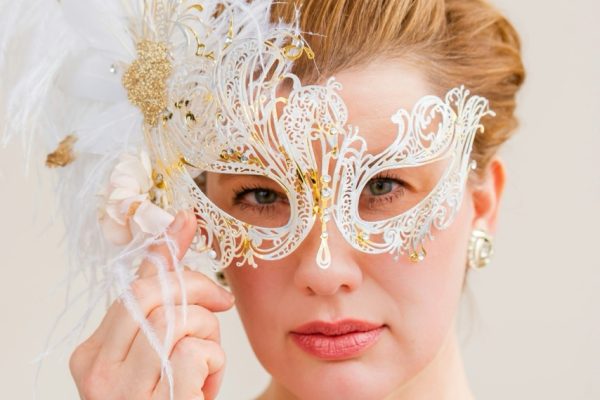
A costume that looks old and a costume that reflects what people actually wore in a given decade are different projects. Closing the gap means going to primary sources.
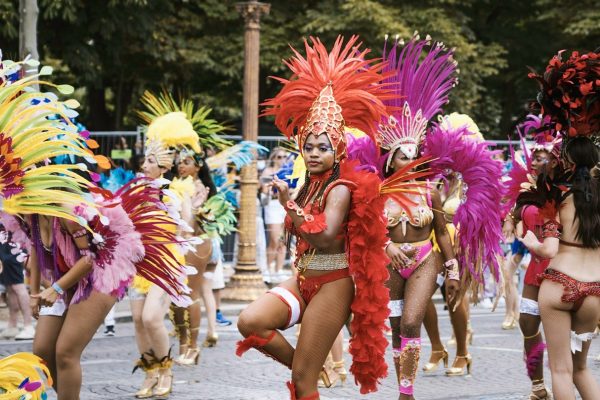
A practical overview of the tools that fill a working costume shop and the general workplace-safety principles that keep the people using them out of harm’s way.
The familiar Alice costume comes from a specific Victorian source. Here is where the look originated and why the character is free for anyone to use.