







Fog, Haze and Smoke at Costume Events: What to Know
Fog and haze machines at costume events produce a glycol or mineral oil aerosol you breathe for the length of your visit. Here is what the research and workplace rules actually say.
Fog and haze machines at costume events produce a glycol or mineral oil aerosol you breathe for the length of your visit. Here is what the research and workplace rules actually say.

Adult and children’s costumes share the general flammability standard, but several child-specific safety rules apply only to items made for children.

The carved pumpkin on the porch descends from an Irish legend about Stingy Jack and from lanterns cut into turnips, not pumpkins. Here is the folklore and how pumpkins took over.

Convention weapon policies treat a foam sword, a resin blaster and a wooden staff very differently, and those rules trace back to real firearm-marking law. Here is the legal backdrop.

The fringed flapper dress was a social statement before it was a costume. Here is the real history behind the 1920s silhouette, bob, and dropped waist.

The high-waisted Regency silhouette is easy to recognize and easy to get wrong. Here is what shaped the Jane Austen look, and what popular dramas distort.
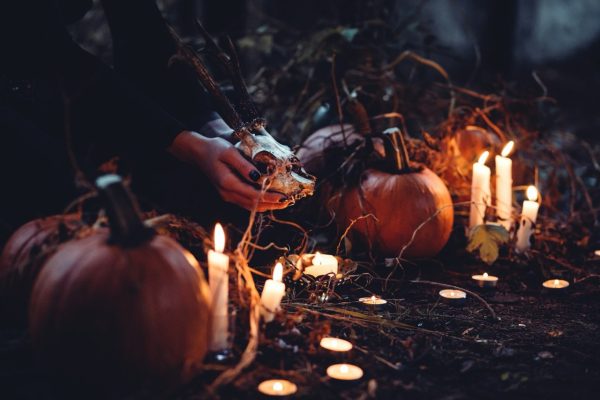
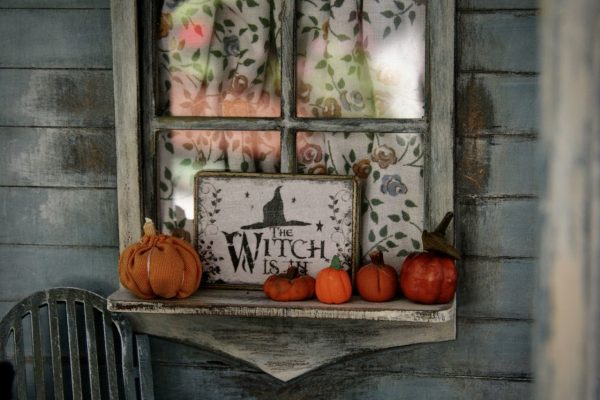
The pointed hat, broom, and cauldron each have tangled histories, and some popular origin stories are disputed. Here is what the record actually supports about the classic witch costume.
The sparkly ball gown is a modern invention layered onto very old tales. Here is how the fairy tale princess costume evolved from folklore to film.

The ruby slippers were silver in the original novel and turned red only for the Technicolor film. Here is the real costume history behind the most famous shoes in American movies.

Dark costumes at dusk are hard for drivers to spot. Research on retroreflective materials and biomotion shows how much visibility a costume can add.