








The classic witch costume is a bundle of symbols whose origins are far less settled than the confident explanations you often hear. The pointed black hat, the broom, the cauldron, and the hooked-nose hag each arrived from a different direction, and at least one favorite origin story is openly disputed by historians. Sorting the documented from the folkloric is what makes a witch costume more interesting than a bag of drugstore accessories.
Start with the hag herself. According to Smithsonian Magazine, the familiar hooked-nose, broom-laden, cauldron-stirring, wart-faced caricature arrived in the United States during the 1800s with European immigrants. That image is a caricature built over centuries, not a description of any real practice, and it hardened into the Halloween default well before modern costume shops existed.
The pointed hat and a disputed theory
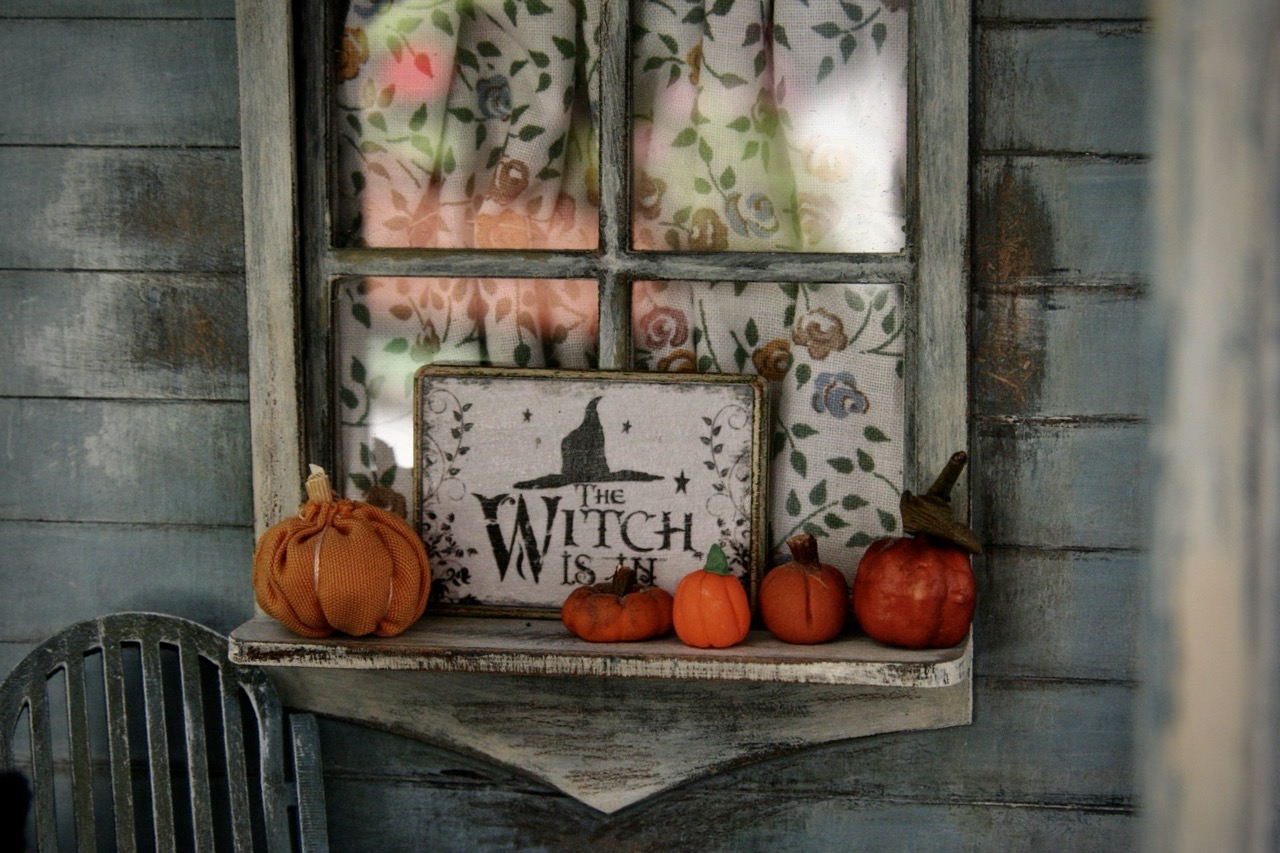
The tall pointed hat has one especially popular origin story that deserves a careful label. A widely shared claim holds that the pointy hat and cauldron came from medieval and early modern alewives, the women who brewed and sold beer, who supposedly wore tall hats so customers could spot them in a crowded market. Smithsonian Magazine reports that theory, but it also carries an editor’s note stating that it is not definitively known whether alewives inspired witch iconography, and it points readers to historians who dispute the connection. In short, this is a plausible and appealing idea, not an established fact, and an honest costume history should present it that way.
The broom has its own layered past. The same Smithsonian history of Halloween witches notes that in Celtic times brooms served a mundane ceremonial purpose, used to sweep an area clean before a healing ritual, long before anyone imagined witches flying on them. The leap from a cleaning tool to a flying vehicle happened in art and story over a long stretch of time rather than in a single moment.
Witches beyond the caricature
The pop-culture hag is only one slice of a much broader folklore. Witch beliefs in America were diverse and regional, and they did not all look like a woman in a peaked hat. The American Folklife Center at the Library of Congress documents African American witch tales in which witches were understood as shape-changers, able to take the form of fast or small animals to travel and work mischief. Those traditions remind us that the black-cloaked silhouette is a specific visual convention, not a universal one, and that folklore offered many other ways to imagine a witch.
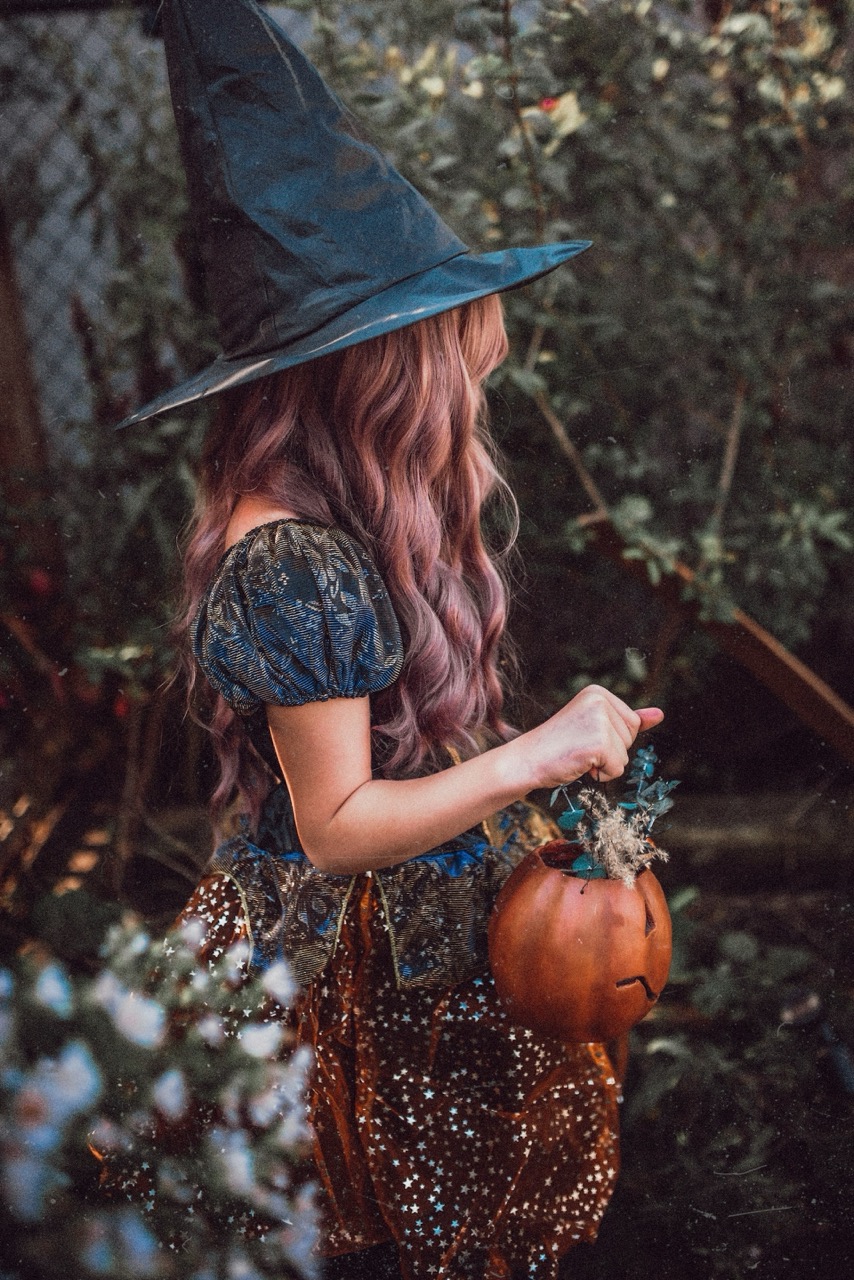
For costuming, that history actually widens your options. The instantly readable classic look is a black pointed hat, a long black dress or robe, and a cloak, with a broom and a small cauldron as props. Because none of these elements belong to any single owner, you can build the outfit entirely from generic pieces and adapt it freely, from a storybook hag to something more elegant.
A few practical notes help the costume land. A hat with a wired brim holds its point and photographs cleanly, while a soft felt cone tends to droop under lights. Layered black fabrics with different textures, such as a matte dress under a slightly sheen cloak, keep an all-black costume from reading as a flat shape. If you add makeup effects like a prosthetic nose or warts, patch-test any adhesive or paint on a small area of skin first and follow the product instructions, since reactions to costume cosmetics are common. Anyone with sensitive skin should consider consulting a dermatologist before a full face application.
The most useful thing to carry into a witch costume is a little skepticism about tidy origin stories. The hag caricature is genuinely old and immigrant-carried, the broom really does trace to pre-flight ritual use, and the beloved alewife theory of the pointed hat remains unproven and contested. Building the costume with that nuance in mind turns a familiar silhouette into something you can actually talk about, which is exactly what a good storybook costume should invite.