








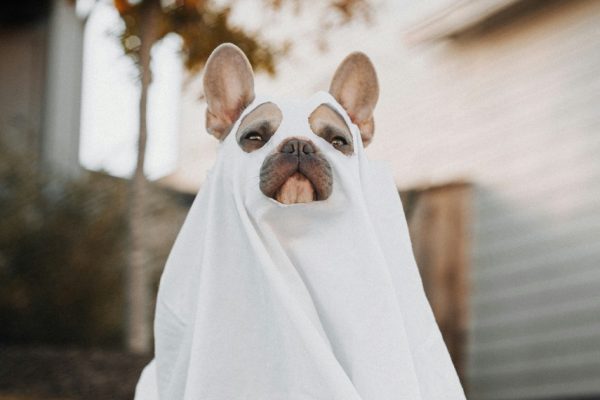
Fog, Haze and Smoke at Costume Events: What to Know
Fog and haze machines at costume events produce a glycol or mineral oil aerosol you breathe for the length of your visit. Here is what the research and workplace rules actually say.
Fog and haze machines at costume events produce a glycol or mineral oil aerosol you breathe for the length of your visit. Here is what the research and workplace rules actually say.
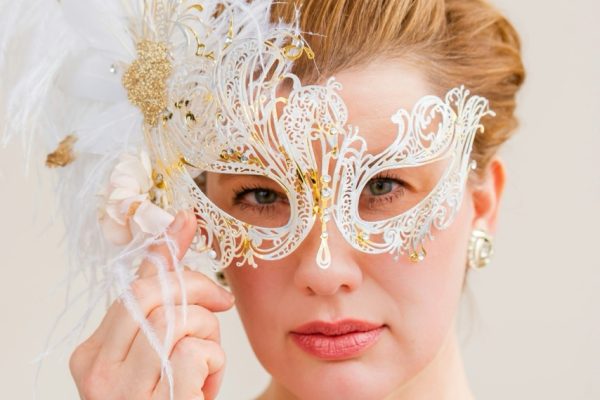
A costume that looks old and a costume that reflects what people actually wore in a given decade are different projects. Closing the gap means going to primary sources.
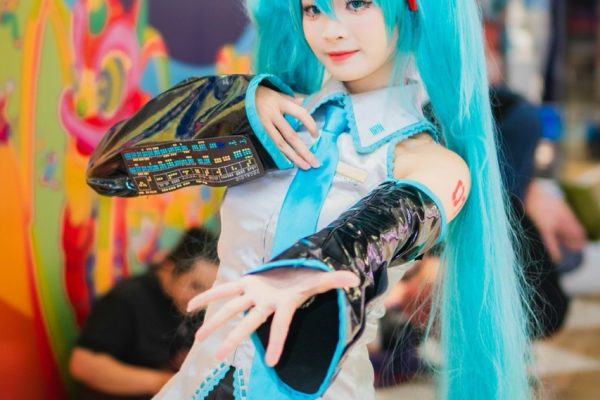
A convention center is, in the language of federal law, a place of public accommodation. Here is what the Americans with Disabilities Act asks of the venues and organizers that host cons.

Peter Pan began as a stage role, was played for decades by women, and is now in the US public domain. Here is the costume history behind the boy who would not grow up.

The ruby slippers were silver in the original novel and turned red only for the Technicolor film. Here is the real costume history behind the most famous shoes in American movies.

A full-face mask can narrow a child’s field of view right when they are crossing streets at dusk. Here is what the evidence says about seeing and being seen.

The high-waisted Regency silhouette is easy to recognize and easy to get wrong. Here is what shaped the Jane Austen look, and what popular dramas distort.
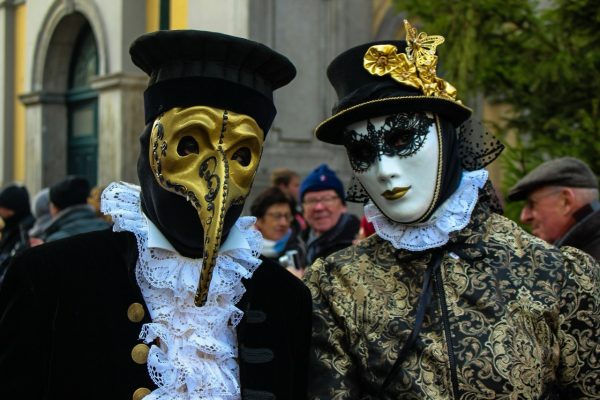
The carved pumpkin on the porch descends from an Irish legend about Stingy Jack and from lanterns cut into turnips, not pumpkins. Here is the folklore and how pumpkins took over.

What the science of laundering and the rules around disinfectants suggest about keeping shared and rented costumes clean between wearers.
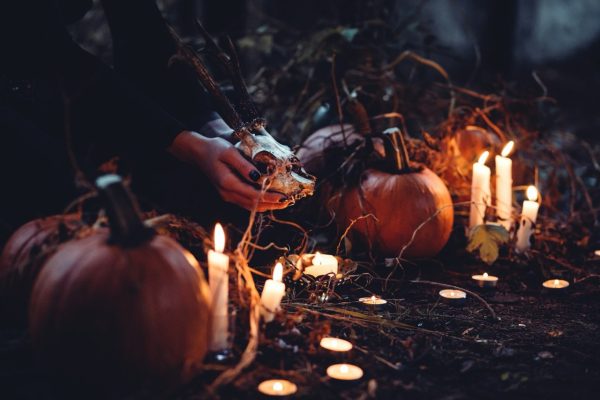
The pointed hat, broom, and cauldron each have tangled histories, and some popular origin stories are disputed. Here is what the record actually supports about the classic witch costume.